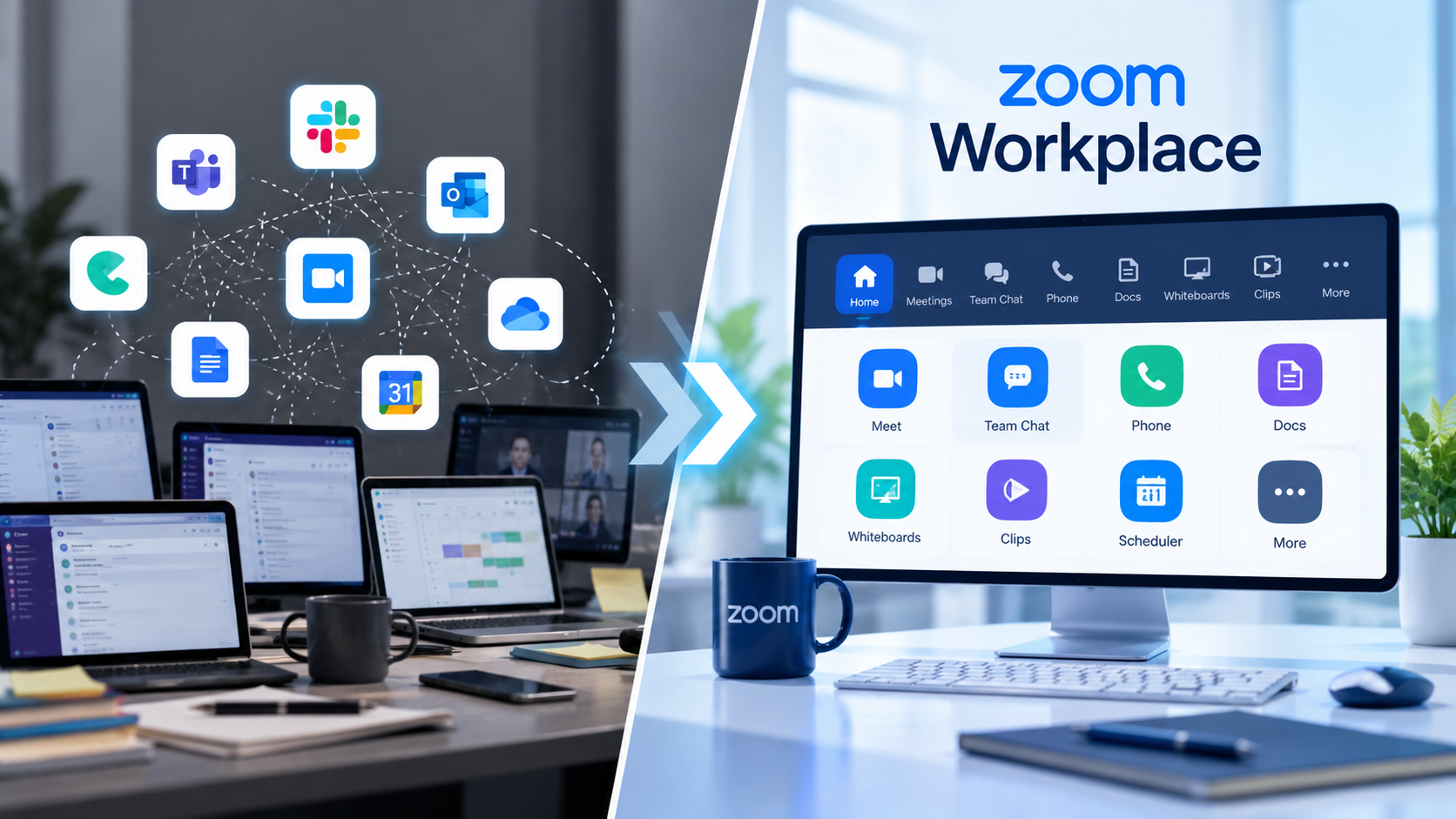
The Network Refresh Is Due. Should You Actually Do It?
The Network Refresh Math Is Changing
The cost of a network has never been limited to switches, firewalls and access points. There are licenses, ISP contracts, installation, configuration, monitoring, security, support, upgrades and refreshes. Then there is the cost that is harder to see: the IT resources required to keep all of it running.
Network as a Service (NaaS) changes that equation by shifting networking from a collection of infrastructure purchases and management responsibilities toward an ongoing service.
Meter, a Packet Fusion partner, takes that approach across the network stack, bringing ISP management, routing, switching, wireless, security, DNS security, VPN and SD-WAN into a unified architecture.
3x
Savings reported by Thumbtack over the life of its new office lease
80%
Reduction in Thumbtack’s network-related on-call support tickets
35%
Reduction in network costs reported by Black Pine Circle School
5 → 1
Network providers consolidated by Black Pine Circle School
Before you commit to another network refresh, determine whether it is time to refresh the network—or rethink it.

Packet Fusion helps organizations evaluate both traditional network infrastructure and emerging Network as a Service (NaaS) approaches from partners like Meter.
Call 925-701-2020 or complete the form to get started.
3X Savings. 80% Fewer Network Support Tickets.
When Thumbtack built the network for its new 20,000-square-foot office, its existing Aruba and Palo Alto approach would have required a significant infrastructure investment. According to Meter’s customer case study, the traditional hardware and installation quote came in at upwards of 3X Meter’s pricing.
Over the life of the new office lease, Thumbtack reports realizing 3X savings with Meter. But another number may be even more important for a CIO: network-related on-call support tickets dropped 80%.
That allowed Thumbtack’s IT team to redirect attention toward automation and SaaS integration projects. Meter’s case study says the team estimated that without that shift, some of those initiatives could have been as much as a year behind.
The value of the network isn’t simply what you spend on it. It’s what your IT organization gets to work on instead.
Five Network Providers Became One
Black Pine Circle School faced a different version of the same problem. Its technology team was managing five separate third-party network providers covering hardware, management, onsite support and applications such as DNS security and VPN.
Instead of moving into another traditional refresh cycle, the organization moved to Meter. The five providers were consolidated into one networking model, with hardware, software, installation, updates, support, dashboard and security capabilities incorporated into the service.
According to Meter’s case study, Black Pine Circle School reduced its network costs by 35%. The interesting number is not only 35%. It is five to one.
Every vendor, contract and platform removed from the network is one less layer of complexity IT has to manage.
Now AI Is Changing Network Operations
The operating model is not the only thing changing. So is the way engineers interact with the network.
Meter Command allows IT and networking teams to query and operate their networks using natural language. Teams can investigate devices, analyze live network data, create dashboards, troubleshoot issues and initiate configuration changes without navigating a traditional series of interfaces and workflows.
Meter has highlighted an example in which identifying and activating the correct switch port for a security camera—a task estimated at roughly 30 minutes through a traditional workflow—could be reduced dramatically through Command.
Less time navigating the network. More time asking the network for what you need.
Maybe the Refresh Isn’t the Decision
Traditional network infrastructure is not going away, and Network as a Service will not be the right answer for every organization. But that is precisely why the next network refresh deserves a different conversation.
Instead of immediately asking which firewall, switches, access points and licenses to buy, start one level higher:
- How much should our network cost to operate?
- How much IT attention should it require?
- How quickly should we be able to change it?
- What could our IT organization accomplish if the network required less of them?
The numbers reported by organizations using new network models suggest those questions are worth asking: 3X savings, 80% fewer network-related support tickets, 35% lower network costs and five providers consolidated into one.
Those are not simply network performance metrics. They are an argument for reconsidering the network operating model itself.
Before You Refresh, Compare the Models
Before you commit to another network refresh, determine whether it is time to refresh the network—or rethink it.
Packet Fusion helps organizations evaluate both traditional network infrastructure and emerging Network as a Service approaches from partners like Meter.
That means looking beyond the hardware quote to understand the full picture: infrastructure, connectivity, licensing, security, deployment, support, lifecycle costs and the internal IT resources required to operate it all.
Call 925-701-2020 or complete the form to get started.
Sources
- Meter customer story: Thumbtack — meter.com/customers/thumbtack
- Meter customer story: Black Pine Circle School — meter.com/customers/black-pine-circle-school
- Meter product information and Network as a Service model — meter.com/how-it-works
- Meter Command product information — meter.com/product-newsletter/command-ga
Related Posts